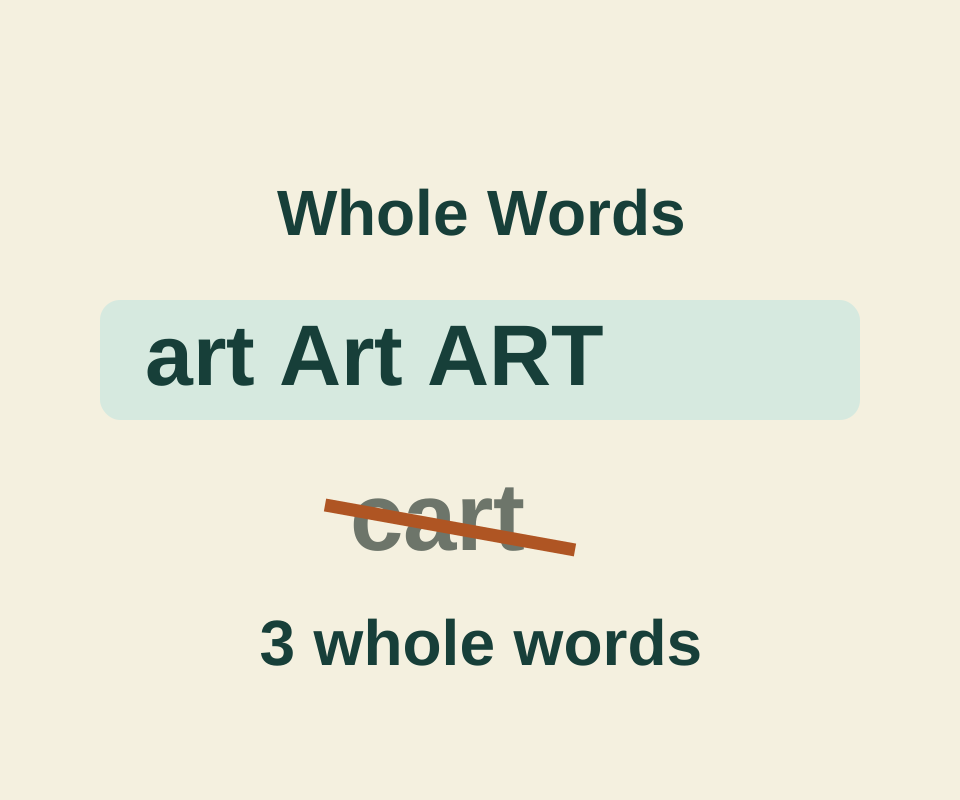
SOURCE-CHECKED01
Firefox Find in page: fix missing words and too many matches
See why art can match cart, why case changes the count, and how Match Diacritics distinguishes resume from résumé.
TOPIC / HOWCURIO
Guides to saving pages, tracing sources, and finding information again.
27 GUIDESCHOOSE YOUR OUTCOME
A saved link, an archive capture, and a citation solve different problems. Start with the outcome you need.
SOURCE-CHECKED01
See why art can match cart, why case changes the count, and how Match Diacritics distinguishes resume from résumé.
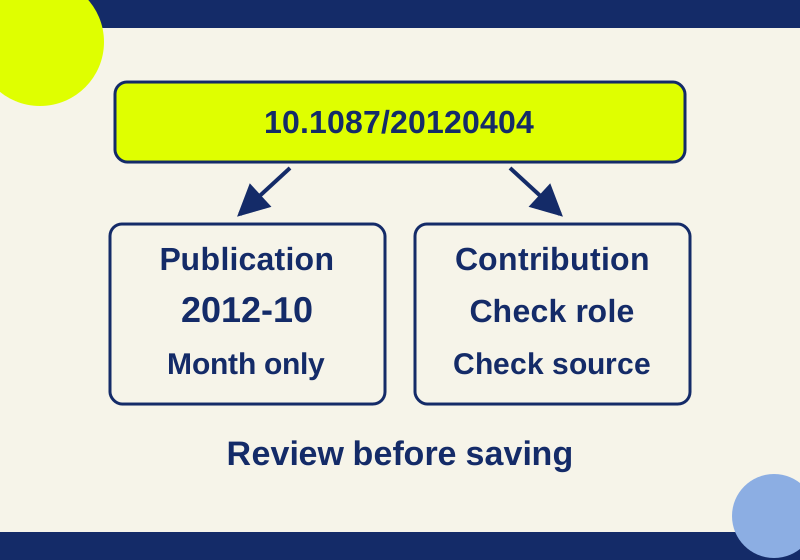
SOURCE-CHECKED02
A DOI retrieves publication metadata. Your contribution, the record’s source and its visibility still need separate checks.
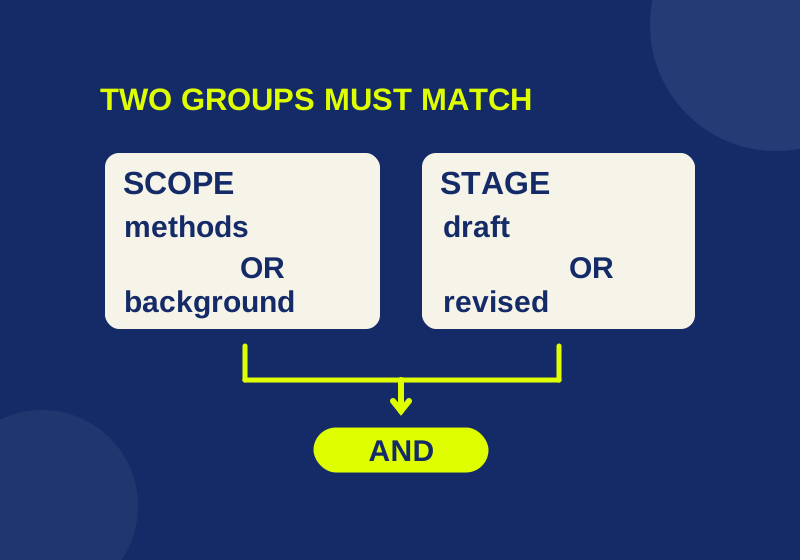
SOURCE-CHECKED03
A populated query worksheet shows how collection and tag searches combine, which records qualify, and why results change.
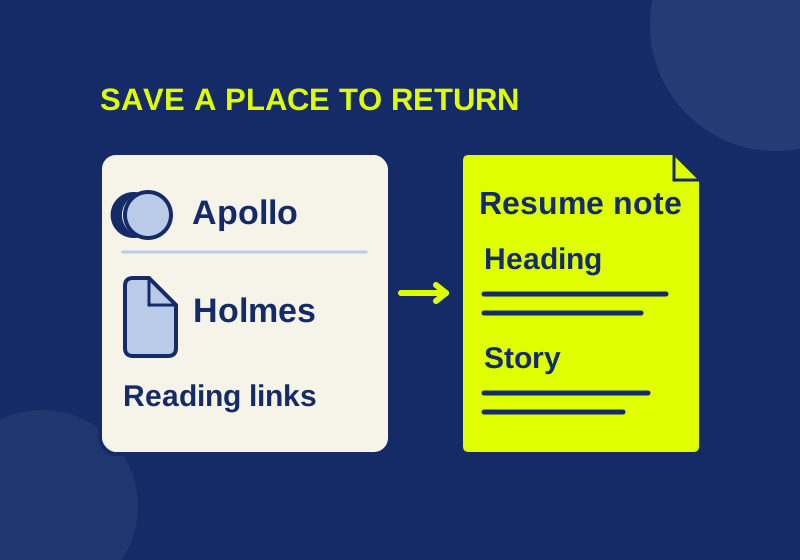
SOURCE-CHECKED04
A four-link starter queue shows how to save a destination, keep your reason for reading, and avoid confusing a list entry with an offline copy.
TESTED05
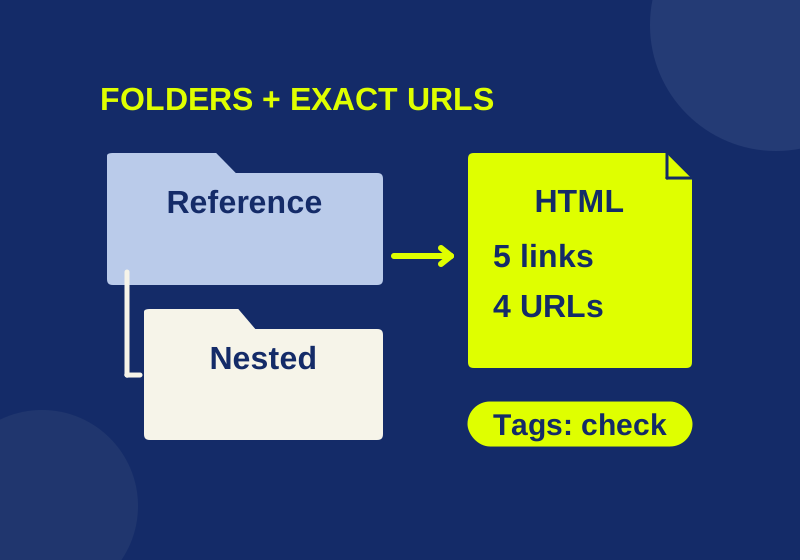
Move bookmark links with HTML, inspect their folder structure, and understand which Firefox details need a separate check.
SOURCE-CHECKED06
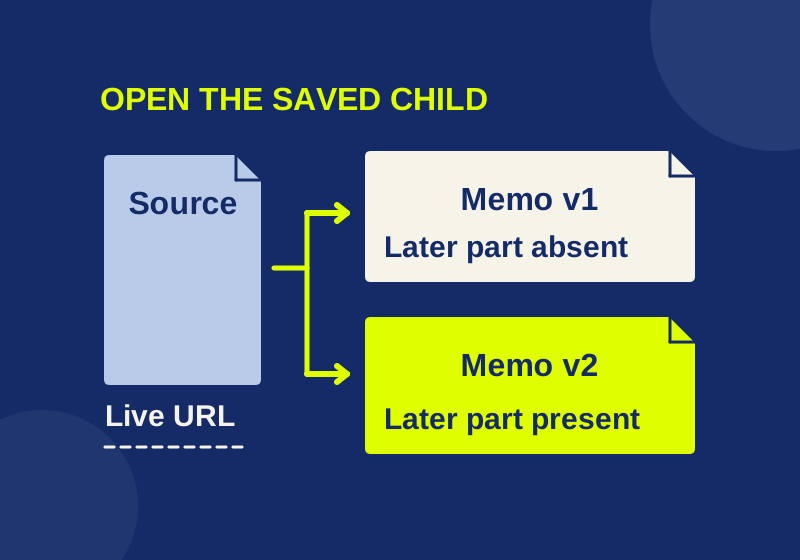
A saved page needs its own content check. Two downloadable memos show the difference between stored text and a live link.
SOURCE-CHECKED07
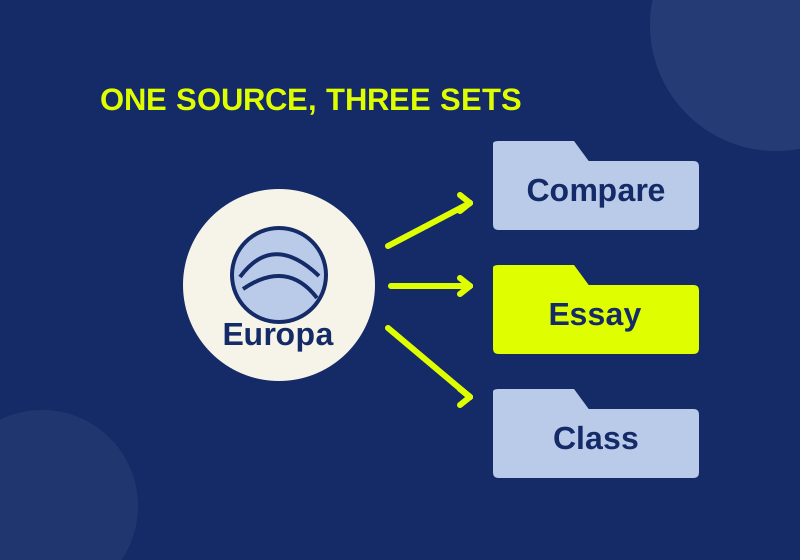
Keep one reference record across overlapping projects and use a real six-source collection plan.
SOURCE-CHECKED08
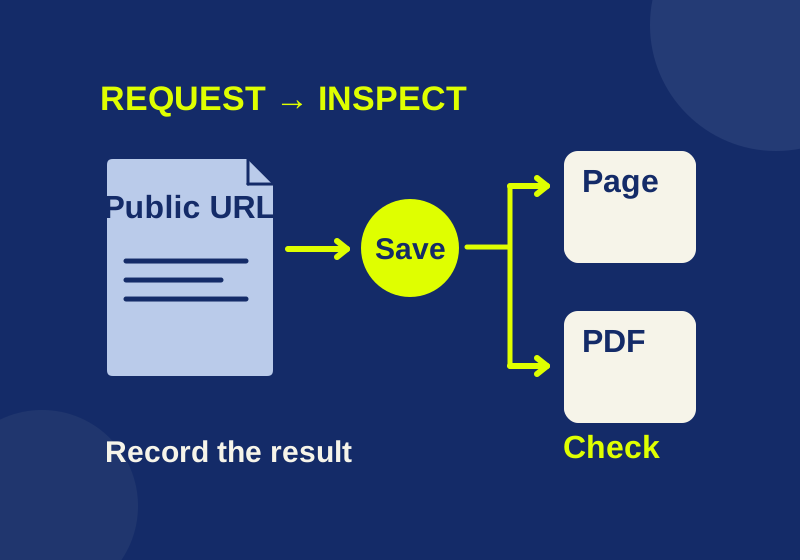
Save Page Now requests a capture; use its timestamped address to check the exact text and files you need.
TESTED09
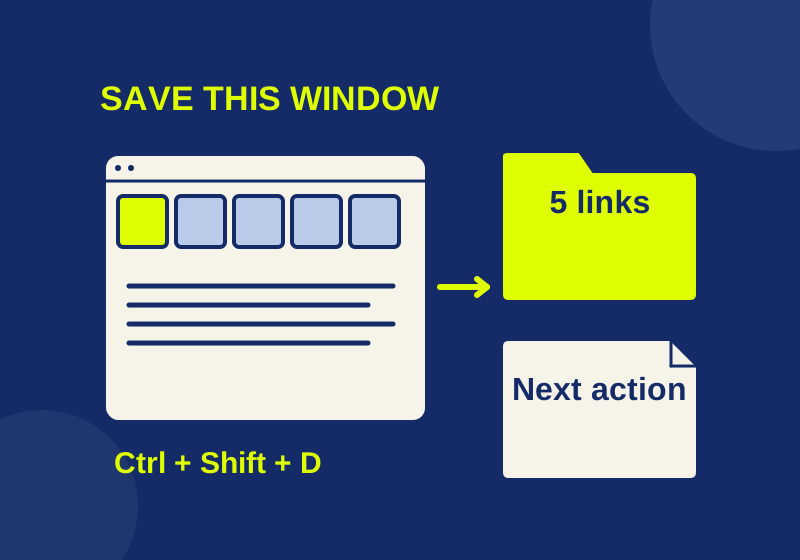
Keep a named folder for a project you will revisit, with a real bookmark HTML sample and a note that tells you where to start.
SOURCE-CHECKED10
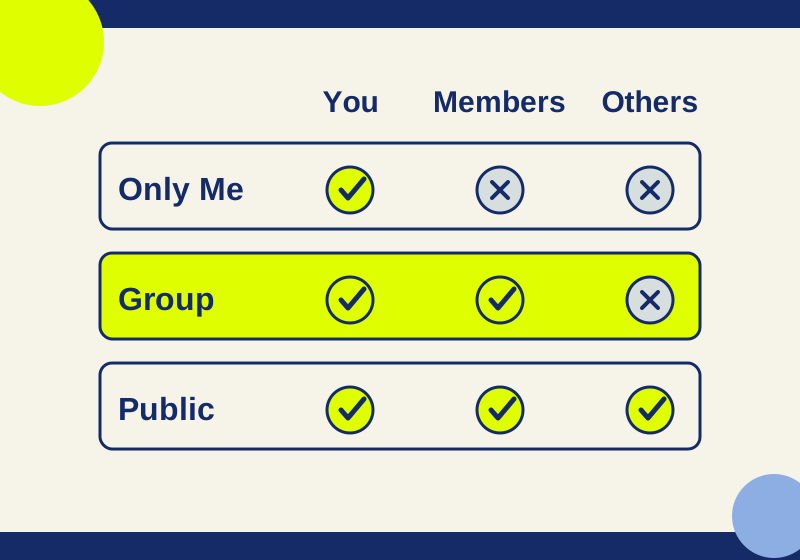
Selecting a private group and sharing a draft are separate actions. Diagnose missing comments from the actual audience and scope.
TESTED11
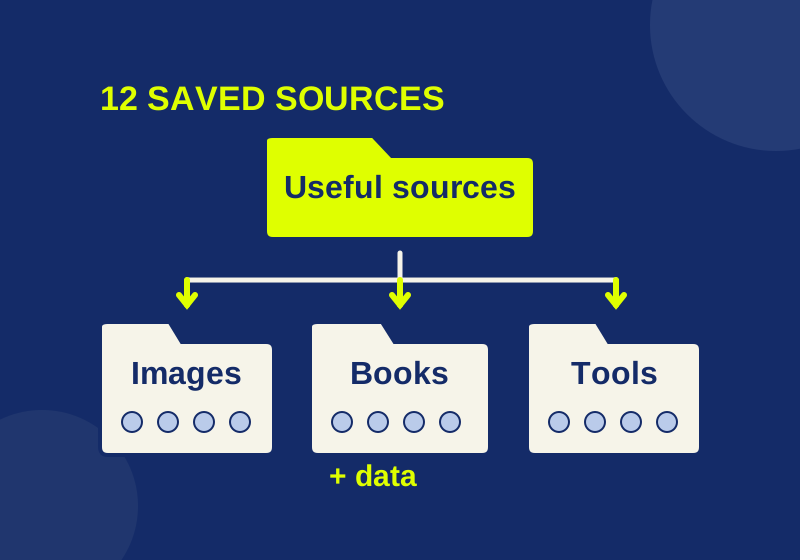
Build a browsable bookmark collection with 12 real sources, downloadable HTML, and a tested Chrome folder example.
SOURCE-CHECKED12
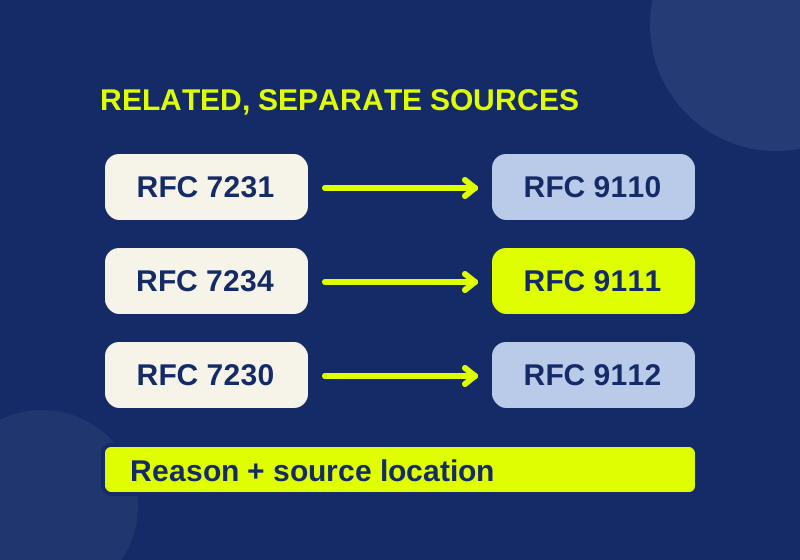
Keep separate publications connected with documented Related Items steps, real RFC version pairs, and a downloadable source map.
SOURCE-CHECKED13
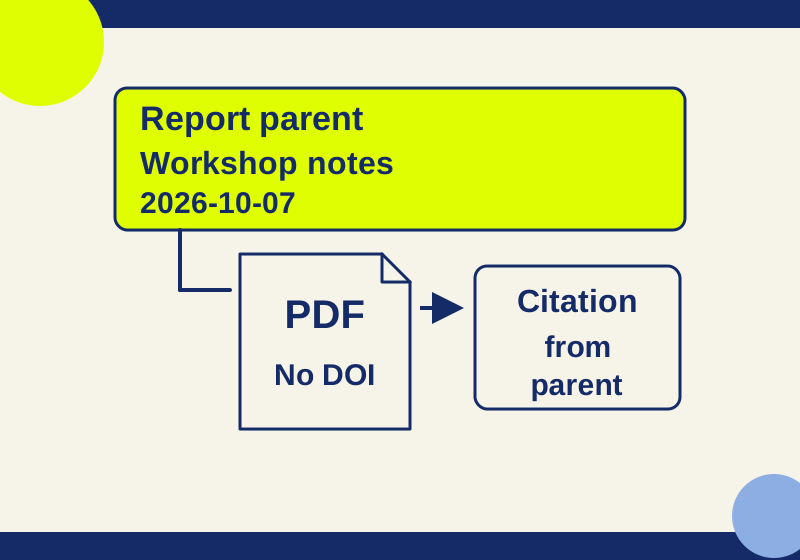
A PDF file needs a bibliographic parent before Zotero can cite it. Practice the repair without inventing a DOI or journal.
SOURCE-CHECKED14
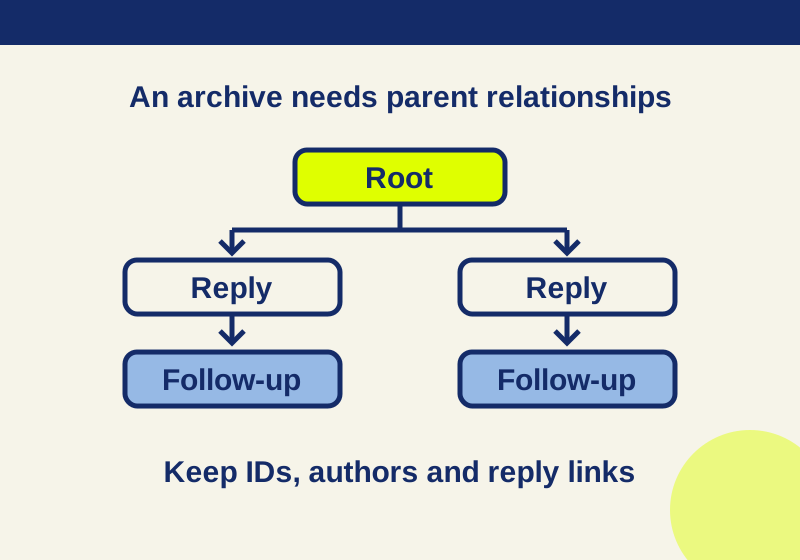
JSON keeps the relationships needed for a readable archive; Hypothesis reimport does not restore replies or original authorship.
SOURCE-CHECKED15
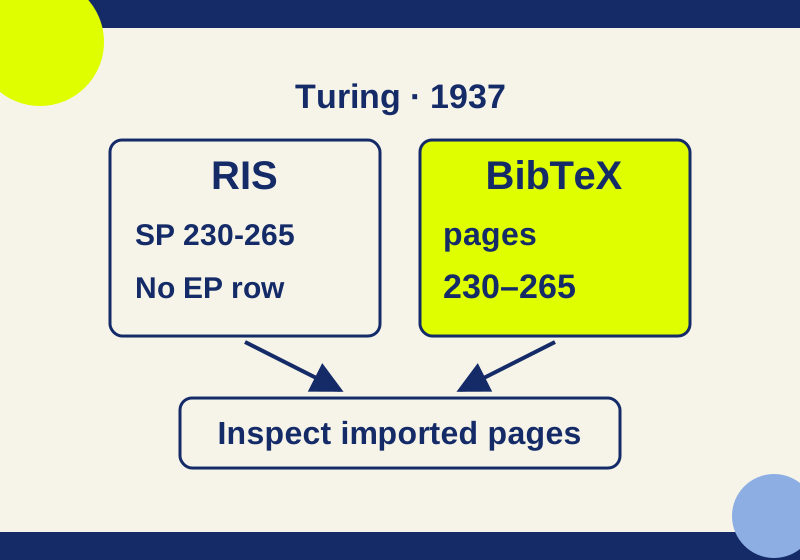
Two real reference files encode the same DOI differently. Inspect their fields before trusting a successful import.
SOURCE-CHECKED16
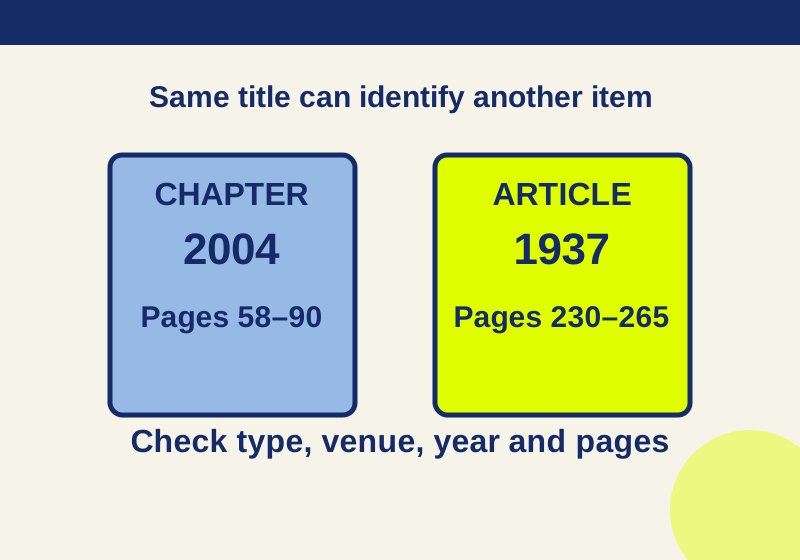
The first DOI can identify a book chapter. Two recorded searches show how the journal and pages recover the intended article.
TESTED17
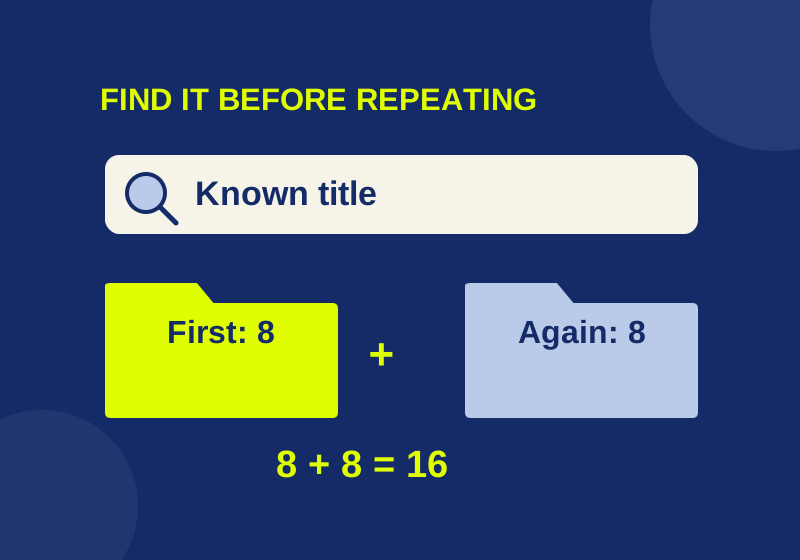
An eight-link import became sixteen when repeated. Find the first collection before importing again.
TESTED18
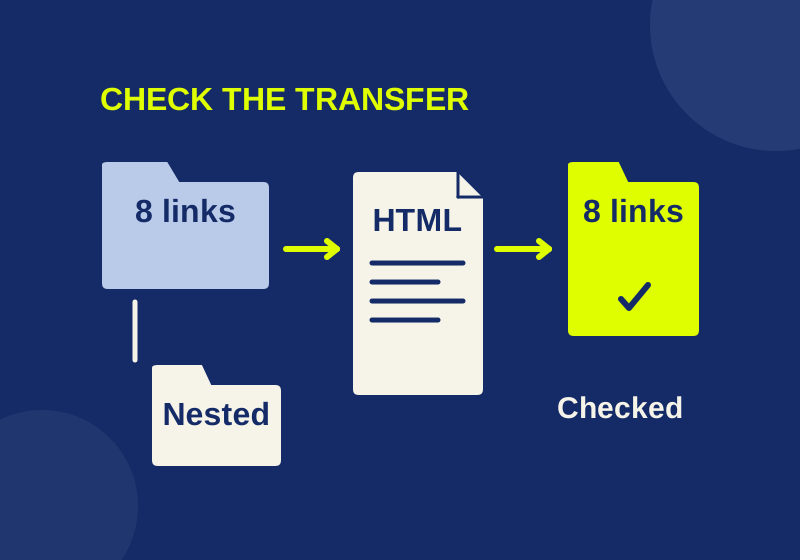
A real eight-link export shows what the HTML preserves, how to inspect it, and what a browser move still needs.
SOURCE-CHECKED19
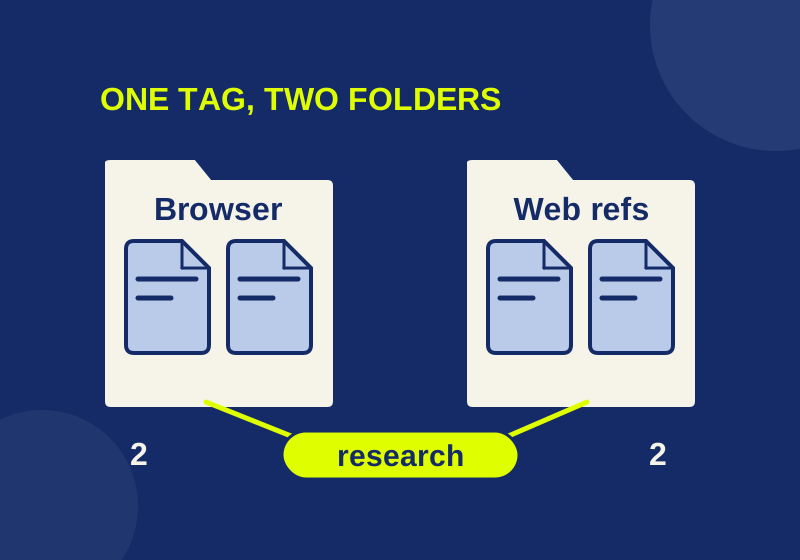
Find saved Firefox pages across folders with shared tags and a tested six-link practice file.
SOURCE-CHECKED20
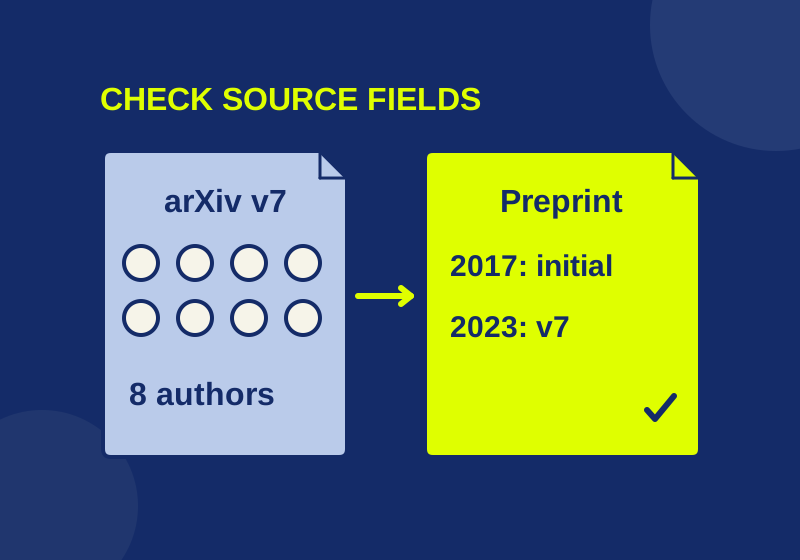
A real eight-author source shows how site names, revision dates and homepage links can distort a reference.
SOURCE-CHECKED21
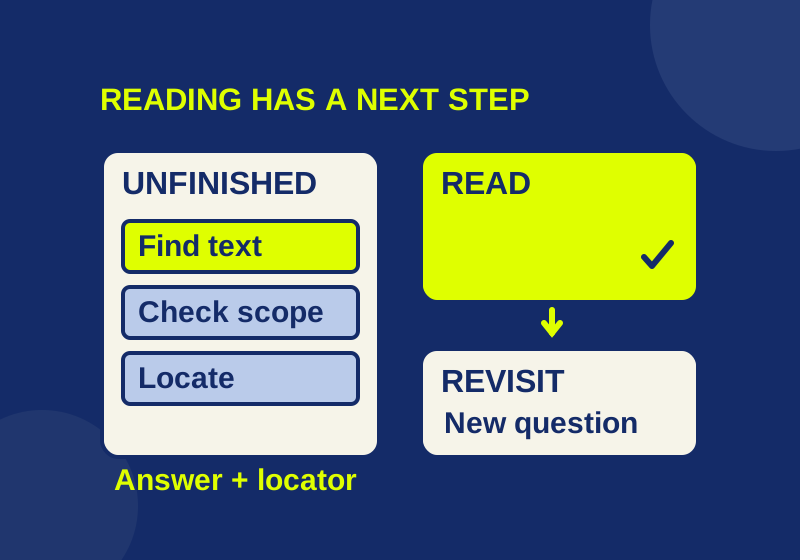
A practical reading queue with clear completion rules, separate revisit tasks, and a downloadable example worksheet.
SOURCE-CHECKED22
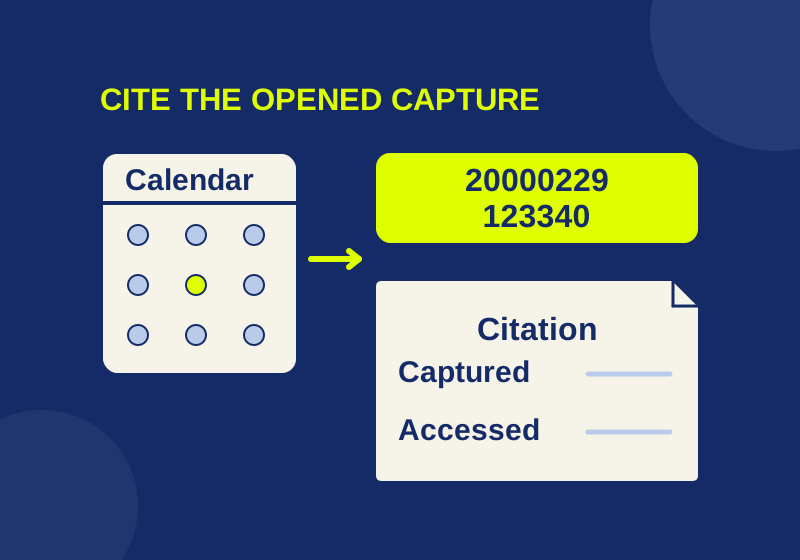
Recover an old page, check the capture address, and record exactly what the archive did or did not show.
SOURCE-CHECKED23
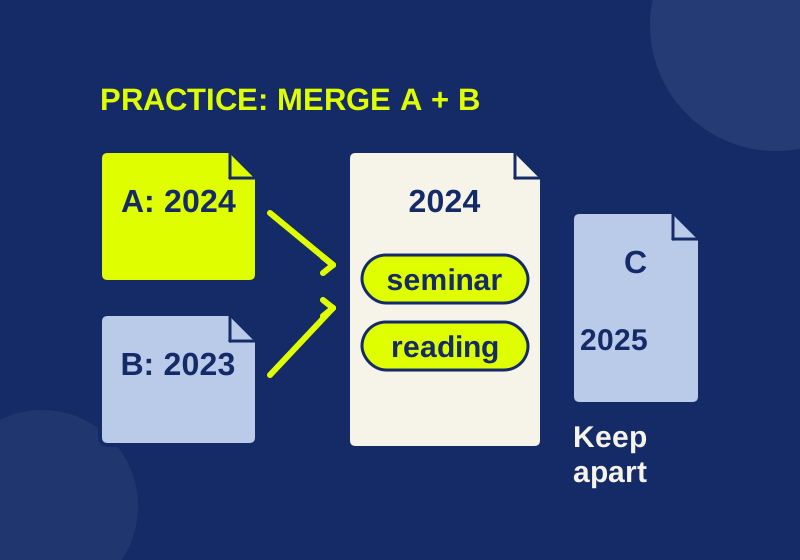
A deliberately flawed practice pair shows exactly which fields to preserve and which related work to leave separate.
SOURCE-CHECKED24
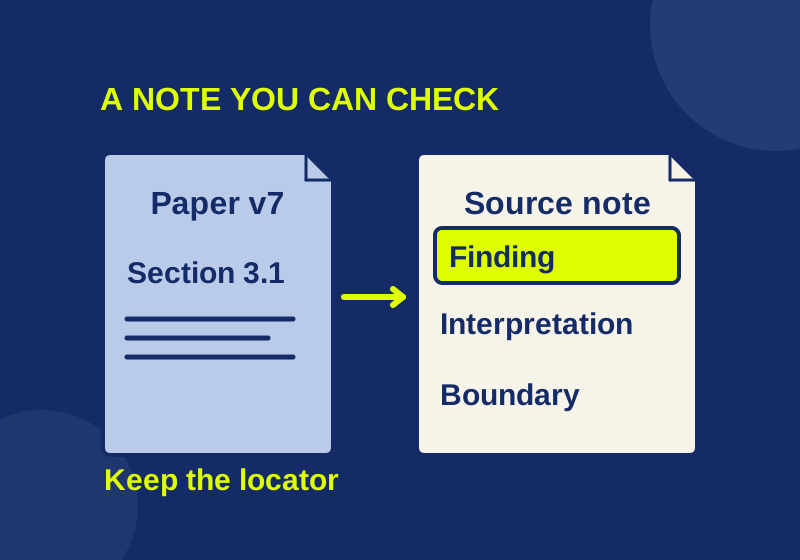
Keep source claims, your interpretation and open questions separate with completed notes you can use while writing.
SOURCE-CHECKED25
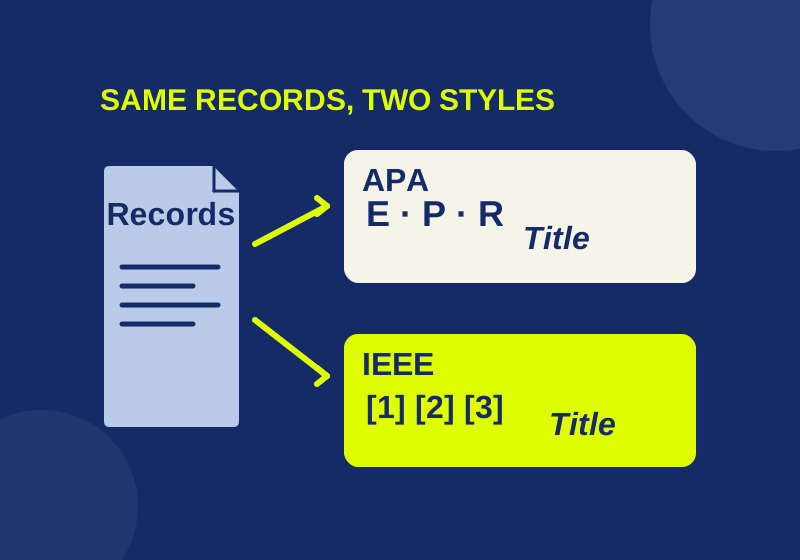
Download actual reference outputs and see why a polished bibliography can still contain a wrong year.
TESTED26
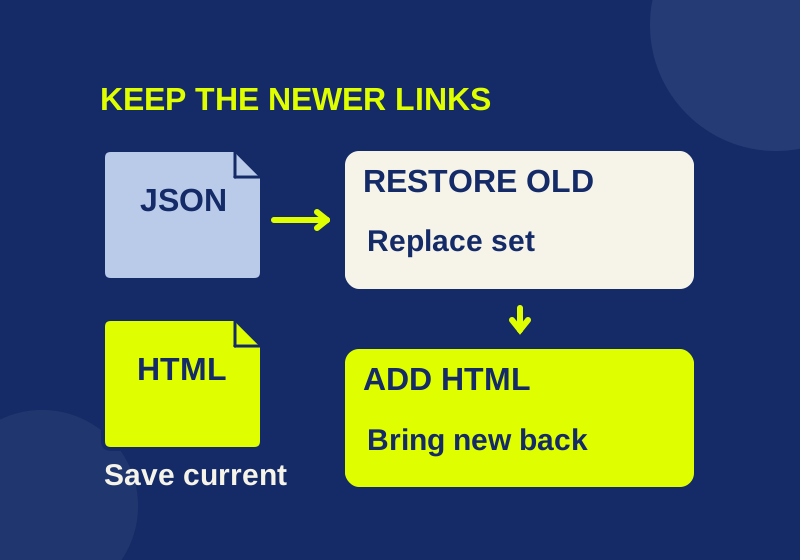
Restore replaces bookmarks; HTML import adds them. Keep current links and recover only the missing folder when possible.
TESTED27
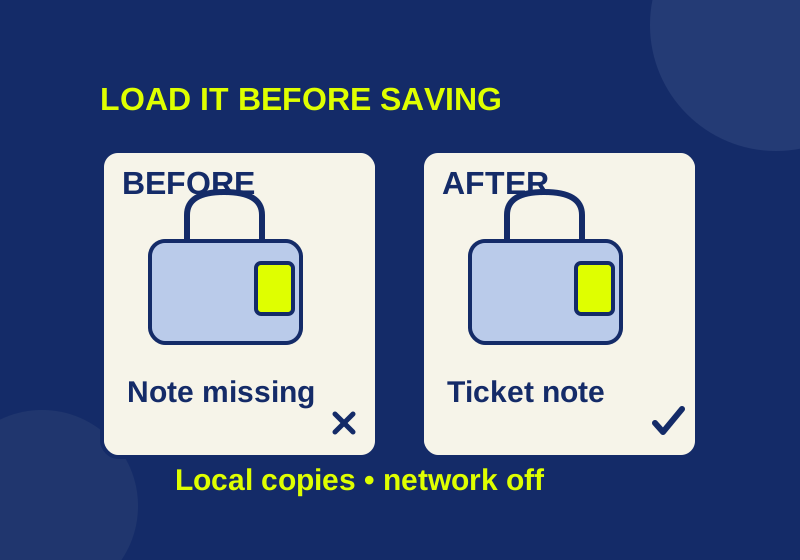
Download real before-and-after page copies: both preserve the image offline, but only the copy saved after loading the station note contains its text.