SOURCE-CHECKED · EVERYDAY TECH
Windows Calculator unit conversions: inches, millimeters, Celsius and Fahrenheit
Convert lengths and temperatures in Windows Calculator, check the starting units, and avoid confusing a temperature change with a temperature reading.
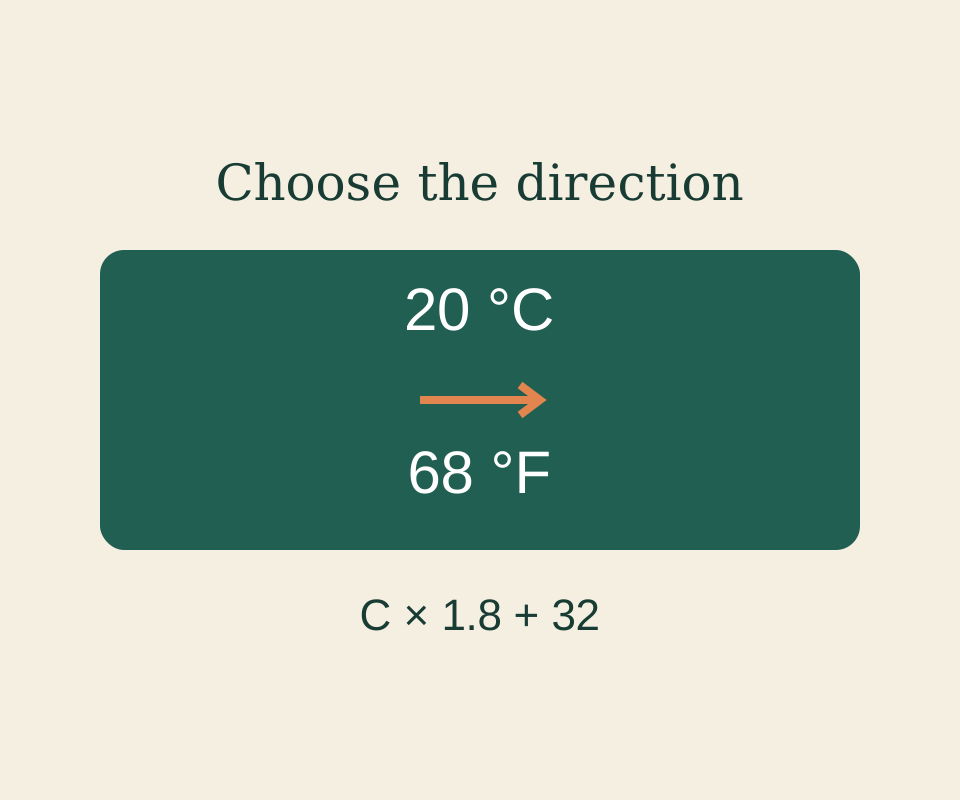
Windows Calculator has built-in Length and Temperature converters. Choose the quantity and the direction of conversion before entering a number; 24 inches and 24 millimeters produce very different answers.
Convert a value
Open Start, search for Calculator, and open it. Select the navigation menu, then choose Length for inches and millimeters or Temperature for Celsius and Fahrenheit. Enter the value and select its starting and destination units. These steps follow Microsoft’s Calculator instructions.
For a length example, suppose a box is listed as 24 inches long. Select inches as the starting unit and millimeters as the destination unit. The conversion is 609.6 mm. Going the other way, 254 mm is 10 inches. An inch is exactly 0.0254 meter, or 25.4 millimeters, under NIST’s conversion factor.
Check the direction and units
If the starting value is 24 mm, select millimeters first. Dividing by 25.4 gives approximately 0.94488189 in, which you might round to 0.945 in. The 609.6 mm result applies to 24 inches, not 24 millimeters. Keep the unit beside any rounded answer so the direction remains clear.
Convert temperatures and changes
For an air-temperature example, 20°C is 68°F; converting 68°F back gives 20°C. The formulas are °F = (°C × 1.8) + 32 and °C = (°F − 32) ÷ 1.8. They also give 0°C = 32°F and −40°C = −40°F. NIST explains the temperature scales and their intervals.
A temperature change uses a different calculation from an absolute temperature. Warming from 20°C to 30°C takes the Fahrenheit readings from 68°F to 86°F, a rise of 18°F. Entering 10°C as an absolute temperature instead converts it to 50°F. That result is correct for a temperature of 10°C, but it does not describe a rise of 10°C.
Try the conversion practice page alongside Calculator. It has separate inches-to-millimeters, millimeters-to-inches, Celsius-to-Fahrenheit, and Fahrenheit-to-Celsius choices. Enter the same number in both directions to see which units belong beside the answer.
Source note: Calculator navigation is documented by Microsoft. The illustrative arithmetic was checked separately using NIST’s factors and formulas; no Calculator interface test is recorded.
KEEP GOING
More to explore.
SOURCE-CHECKEDEveryday tech
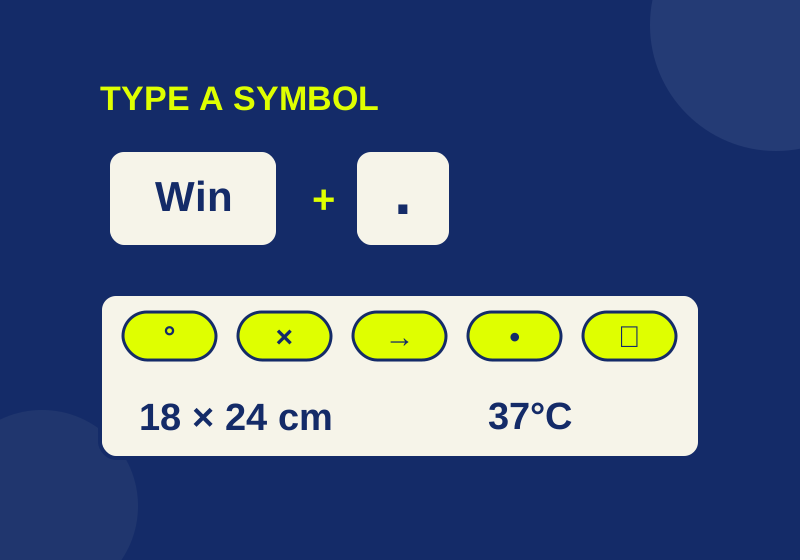
Windows 11 emoji panel and symbols: shortcuts, Alt codes, and copyable examples
Type emoji, degree signs, bullets, and other symbols. Includes a copyable bank and an offline inspector for invisible selectors and joined emoji.

SOURCE-CHECKEDEveryday tech
Windows Calculator date difference: count days without an off-by-one error
Check the endpoints before counting a trip, a date range or a days-only shift.